
 Template previewStart building free
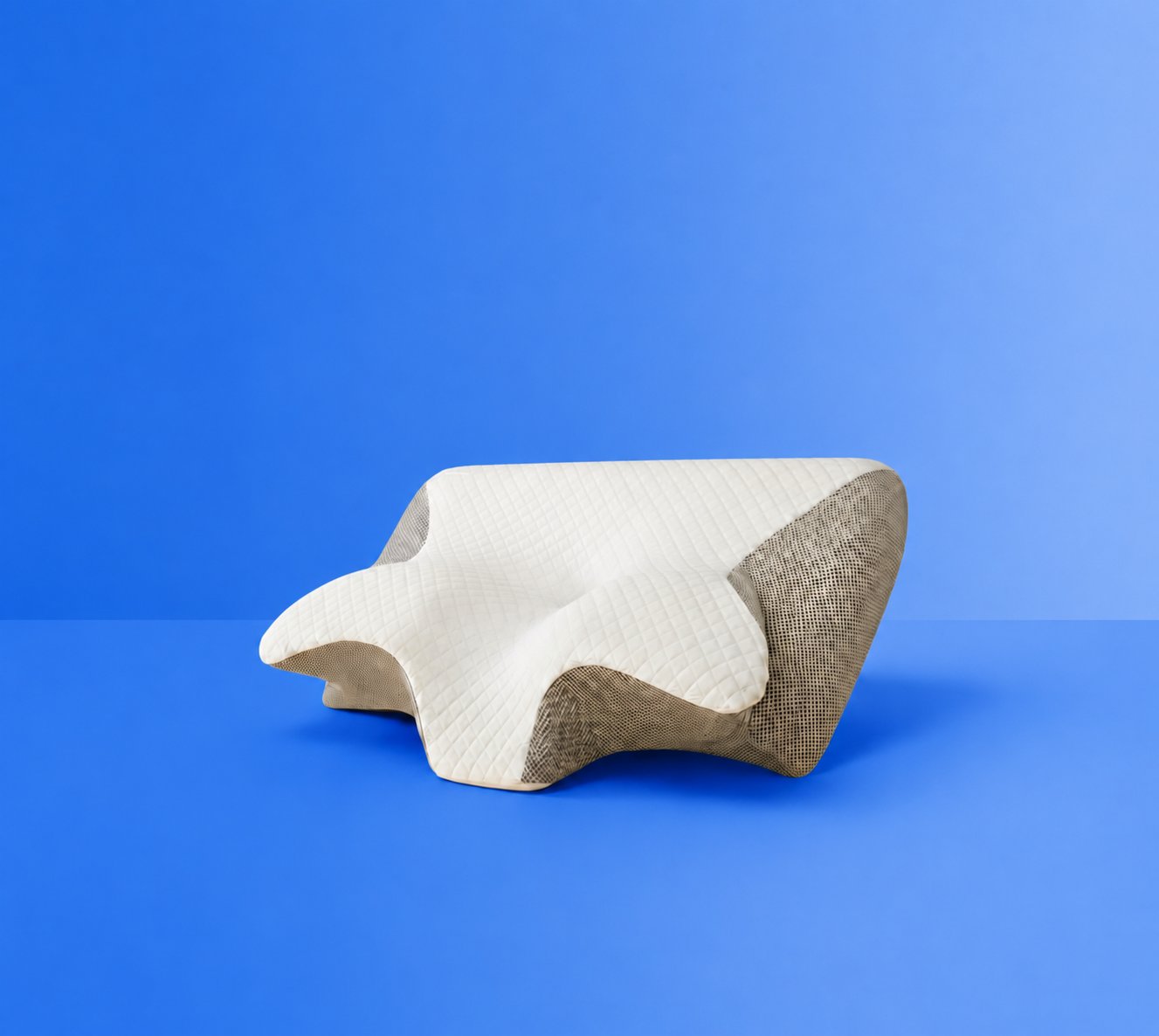

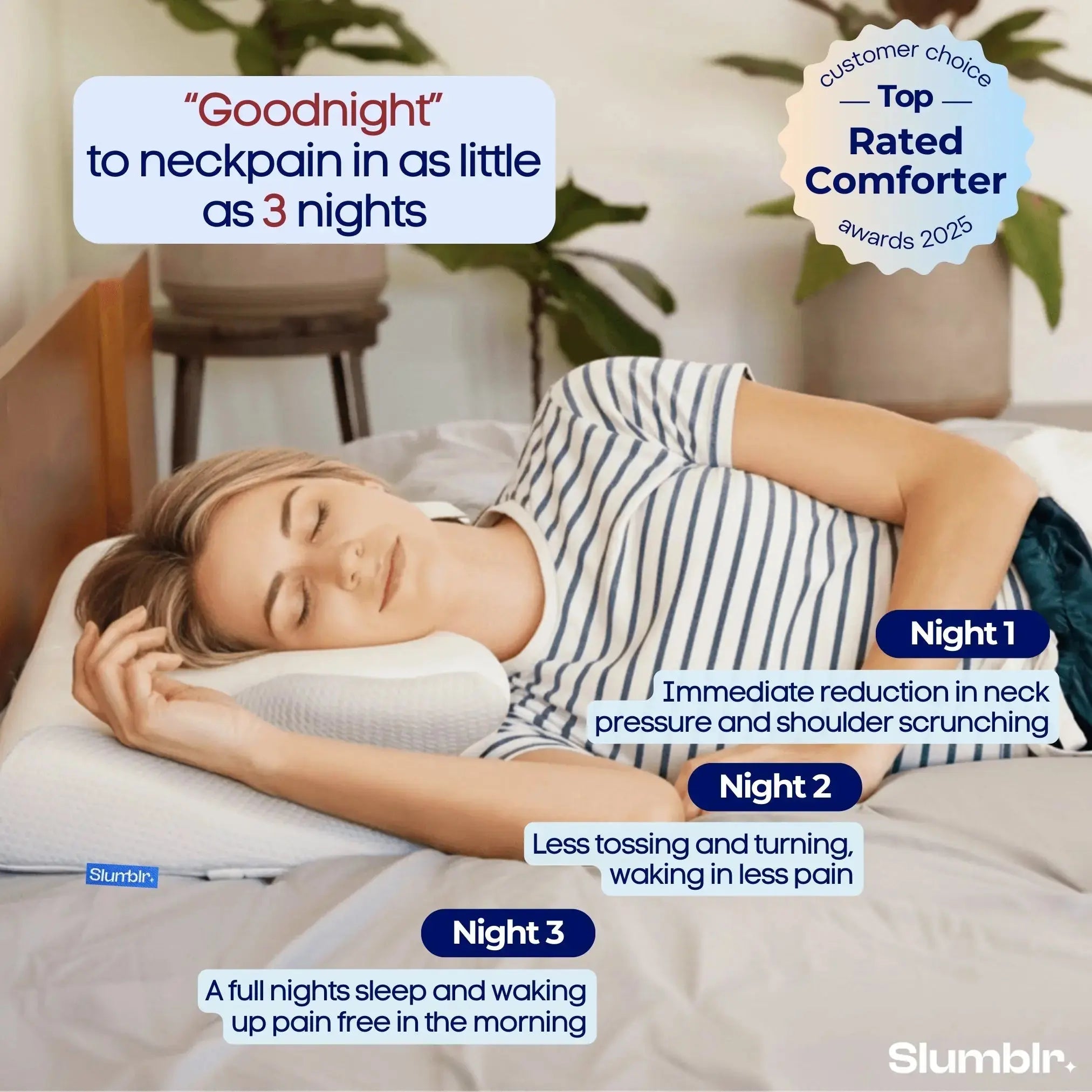
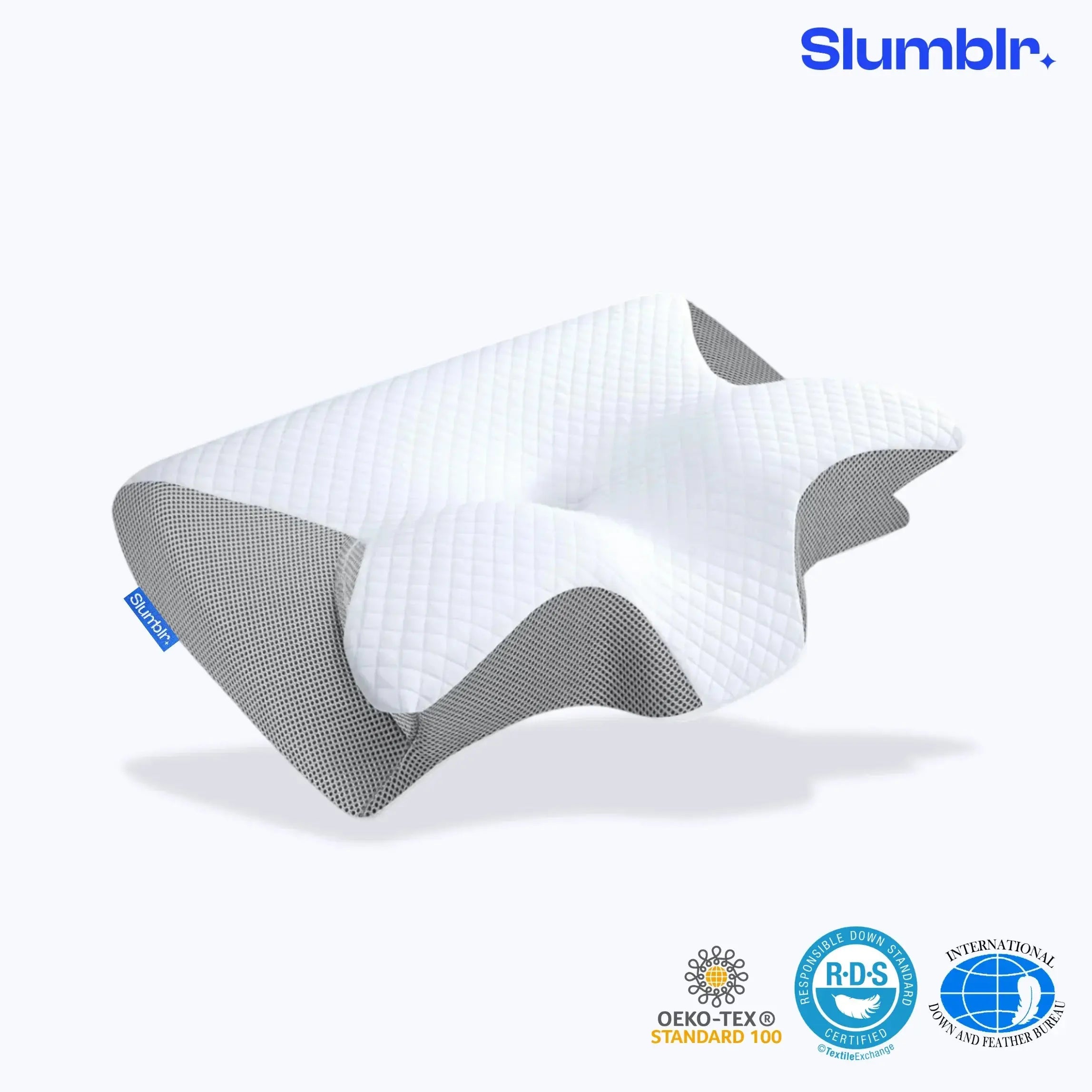
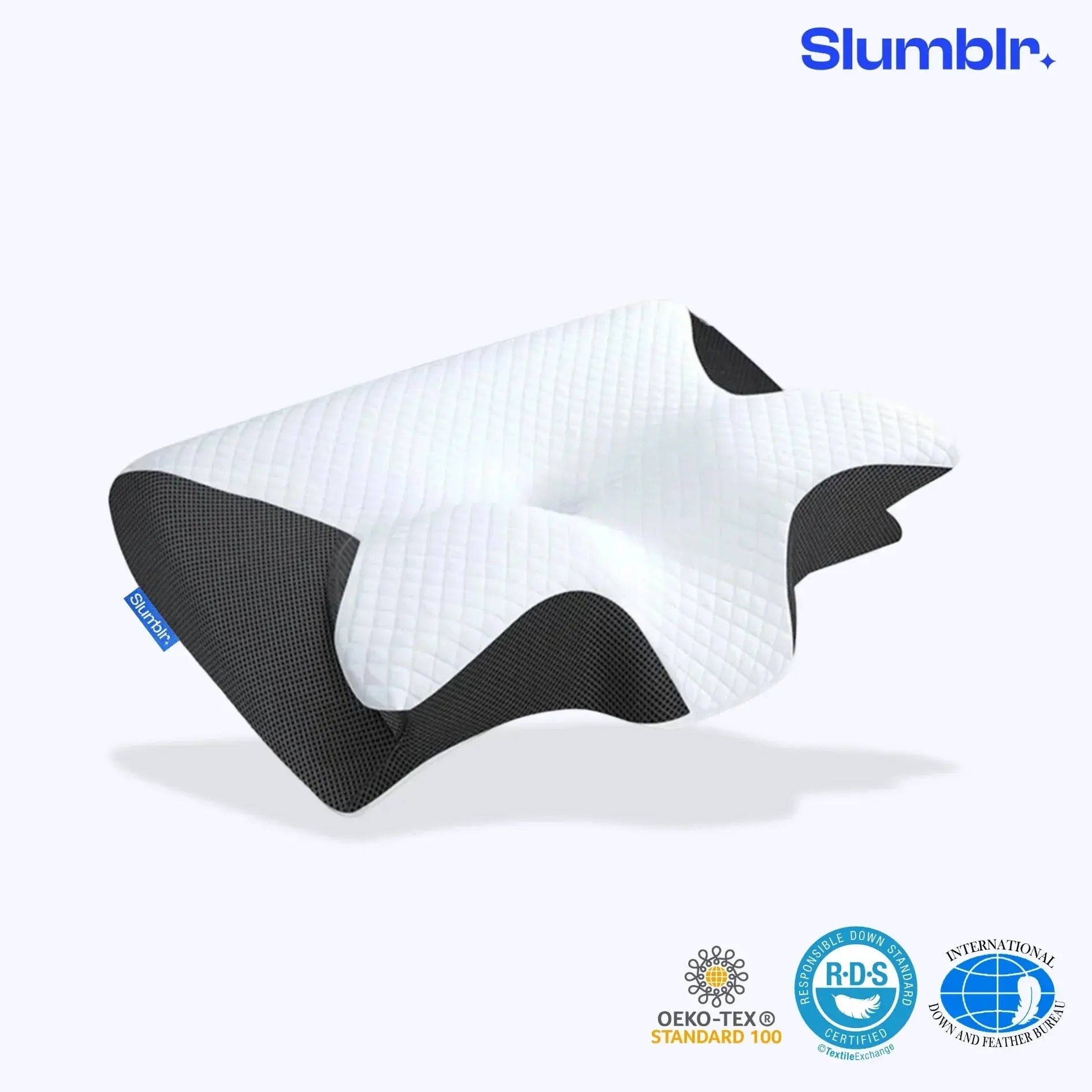
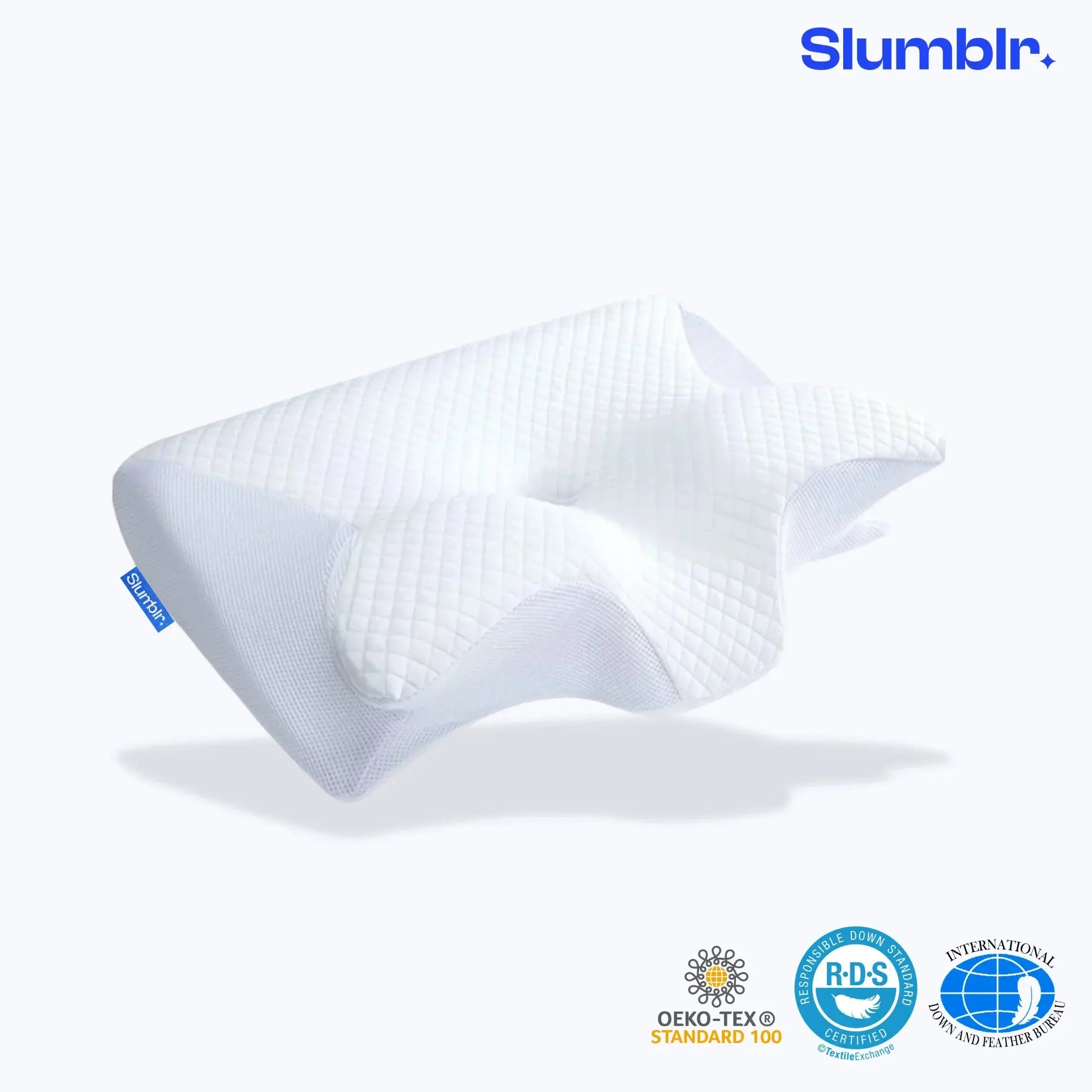
Wake up aligned, feel the relief.
Cradle your cervical curve overnight to support natural neck posture and help reduce morning tension, stiffness, and soreness.
 Ergonomic support for a more natural cervical curve
Slow-rebound foam helps evenly distribute pressure
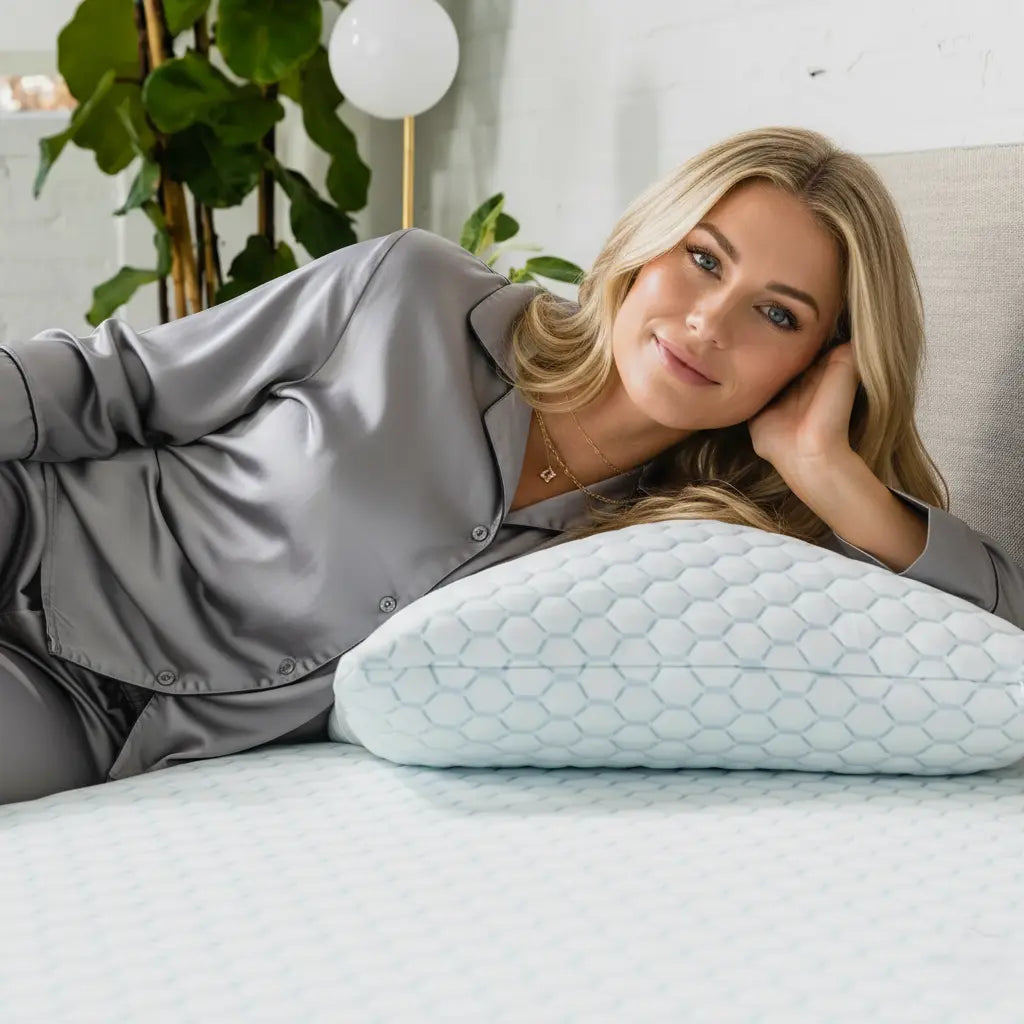
Breathable cooling cover for less nighttime overheating
Ergonomic support for a more natural cervical curve
Slow-rebound foam helps evenly distribute pressure
Breathable cooling cover for less nighttime overheating

Secure Checkout

Quality Assured

Customer Support
Designed for chronic neck pain

The contour shape helps align your neck in its natural position to reduce tension you feel on waking.

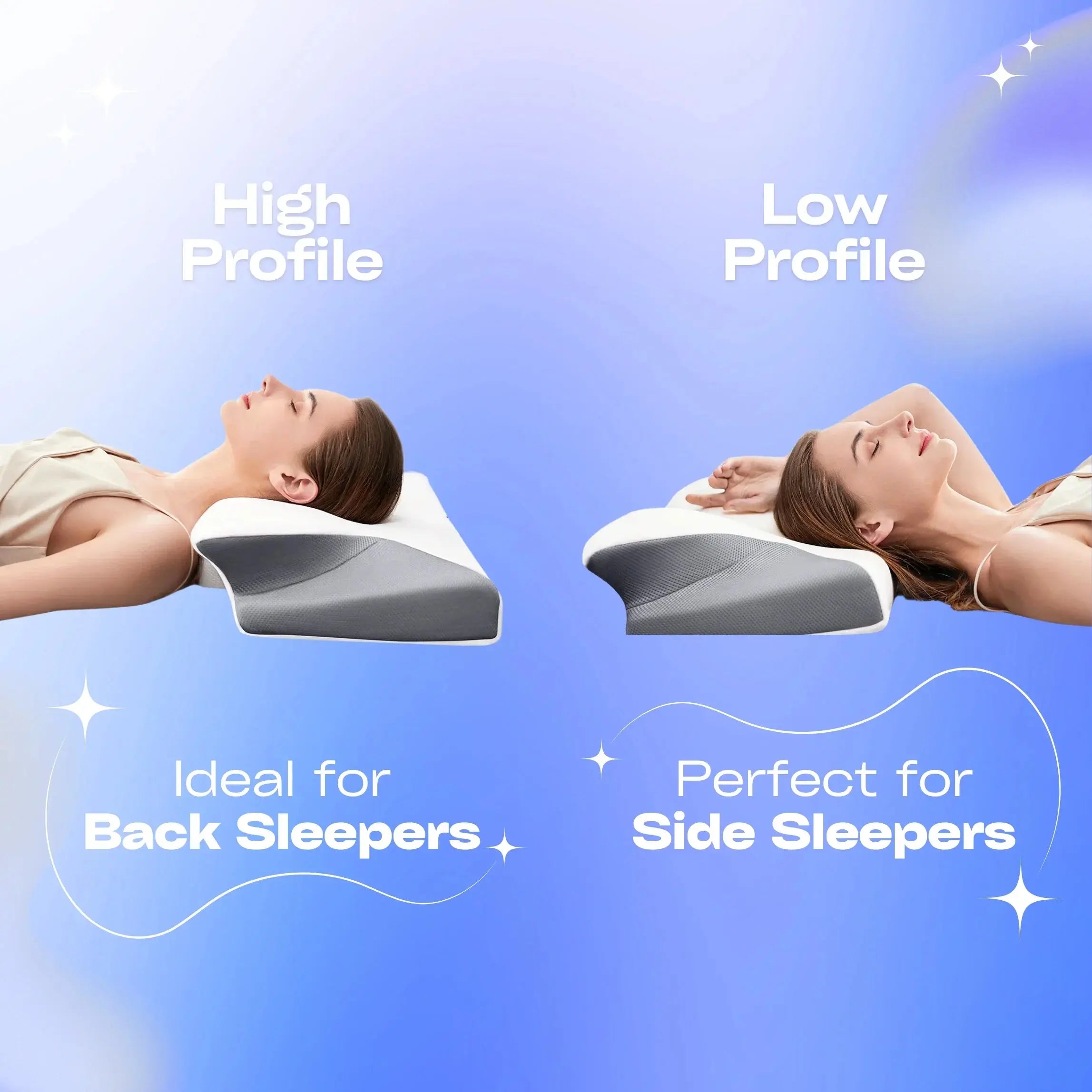
Built to support side, back, and combination sleepers for consistent cervical comfort from bedtime to morning.


Cradling, slow-rebound support distributes pressure evenly so your head and neck stay supported all night.

A breathable cover helps prevent overheating so you can rest more comfortably while your posture stays aligned.
The contour shape helps align your neck in its natural position to reduce tension you feel on waking.
Cradling, slow-rebound support distributes pressure evenly so your head and neck stay supported all night.
Built to support side, back, and combination sleepers for consistent cervical comfort from bedtime to morning.
A breathable cover helps prevent overheating so you can rest more comfortably while your posture stays aligned.
WAKE UP ALIGNED


Free shipping — 30-day returns
Simple setup for better cervical comfort all night.
Place the pillow so the contour cradles your neck for side or back sleeping. Keep your head supported without forcing your chin up or down.
Settle in until your neck feels relaxed and supported along the pillow’s contour. If you notice strain, adjust the angle or height by repositioning your head.
Allow the slow-rebound foam to cradle your head as it settles. Stay in your natural posture so the support can help reduce nighttime tension.
WAKE UP ALIGNED
Feel the contour cradle your neck so your head stays supported without forcing it up or down. Many chronic neck pain sleepers notice less morning “pulling” and fewer stiffness cues.
As your pressure spreads evenly across the pillow, you’re more likely to wake with a calmer neck and easier range of motion. The slow-rebound foam helps maintain consistent support through the night.
You’ll build a steadier sleep posture—side, back, or combination—so your cervical spine can rest in a more natural position. With breathable cooling comfort, mornings can feel less sore and more ready-to-go.
A posture-focused pillow, not just a cushion.
For chronic neck pain, the goal isn’t softer—it’s properly supported alignment.
Free shipping — 30-day returns

WAKE UP ALIGNED
Join 10,000+ happy customers
What people notice after sleeping with Slumblr®
I wake up almost every day with a tight, sore neck, and my old pillow kept me bent weirdly. After switching to the Slumblr® contour pillow, I noticed less stiffness by morning—especially when I sleep on my side. It didn’t “fix everything” overnight, but the cranky feeling felt noticeably reduced after a few nights.
I’m a combo sleeper and my neck always seemed to twist when I rolled over. This pillow holds my head in a steadier position, and I’ve had fewer ‘locked up’ mornings. The foam feels supportive without being rock-hard, and I’m sleeping deeper because I’m not constantly adjusting.
My biggest issue was waking up with tension around the sides of my neck and shoulders. With the contour support, my head feels cradled instead of pushed up or sinking too low. After about a week, my mornings felt less sore and I wasn’t stretching as aggressively right away.
I usually sleep on my back, but my neck never felt fully supported. This pillow seems to keep my cervical area aligned, and I wake up with less tightness. The cooling cover is also a win—I don’t feel as overheated during the night.
I’ve tried a few ‘support’ pillows that were either too flat or too high. The Slumblr® contour relief pillow helped me find a more natural position, and I noticed a reduction in morning stiffness within several nights. It’s become the first thing I reach for when my neck feels cranky.
After using this, I realized how much my old pillow was letting my neck drift out of place. The foam cradles well and pressure feels more evenly distributed. My shoulders still get tense sometimes, but waking up feels less painful than it did before.
GET YOUR NECK BACK ON TRACK
Can't find your answer here? Our team knows this product inside out and is happy to help you decide.
Available 7 days a week — we reply within 24 hours
The Cmfrt® Contour Relief Pillow uses an ergonomic memory-foam contour to cradle the cervical spine and support your natural neck posture. As you move during the night, the slow-rebound foam helps maintain consistent head-and-neck support to reduce strain.
Many people notice less morning stiffness after the first few nights as their neck rests in better alignment. For chronic neck pain, consistent use over 1–2 weeks can help reinforce comfort and reduce recurring tension.
Yes—memory foam pillows are designed for everyday overnight use. If you have a medical condition or are recovering from injury, it’s always smart to follow your clinician’s guidance and stop use if you experience unusual discomfort.
Shipping and returns vary by store policy, so please check the “Shipping” and “Returns” pages at checkout for the most accurate details. If your pillow doesn’t feel right for your support needs, you’ll typically be able to request a return within the stated window.
For side sleeping, position your head so your neck is supported in the pillow’s contour without pushing too high. For back sleeping, align your head and keep your neck supported along the curve—aim for a neutral, relaxed posture where you don’t feel strain.

Wake Up Aligned with ergonomic support built for real nights—and real relief. The Cmfrt® Contour Relief Pillow is designed to help keep your cervical spine comfortable while you sleep.
© 2026 Nexvo Templates. All Rights Reserved.